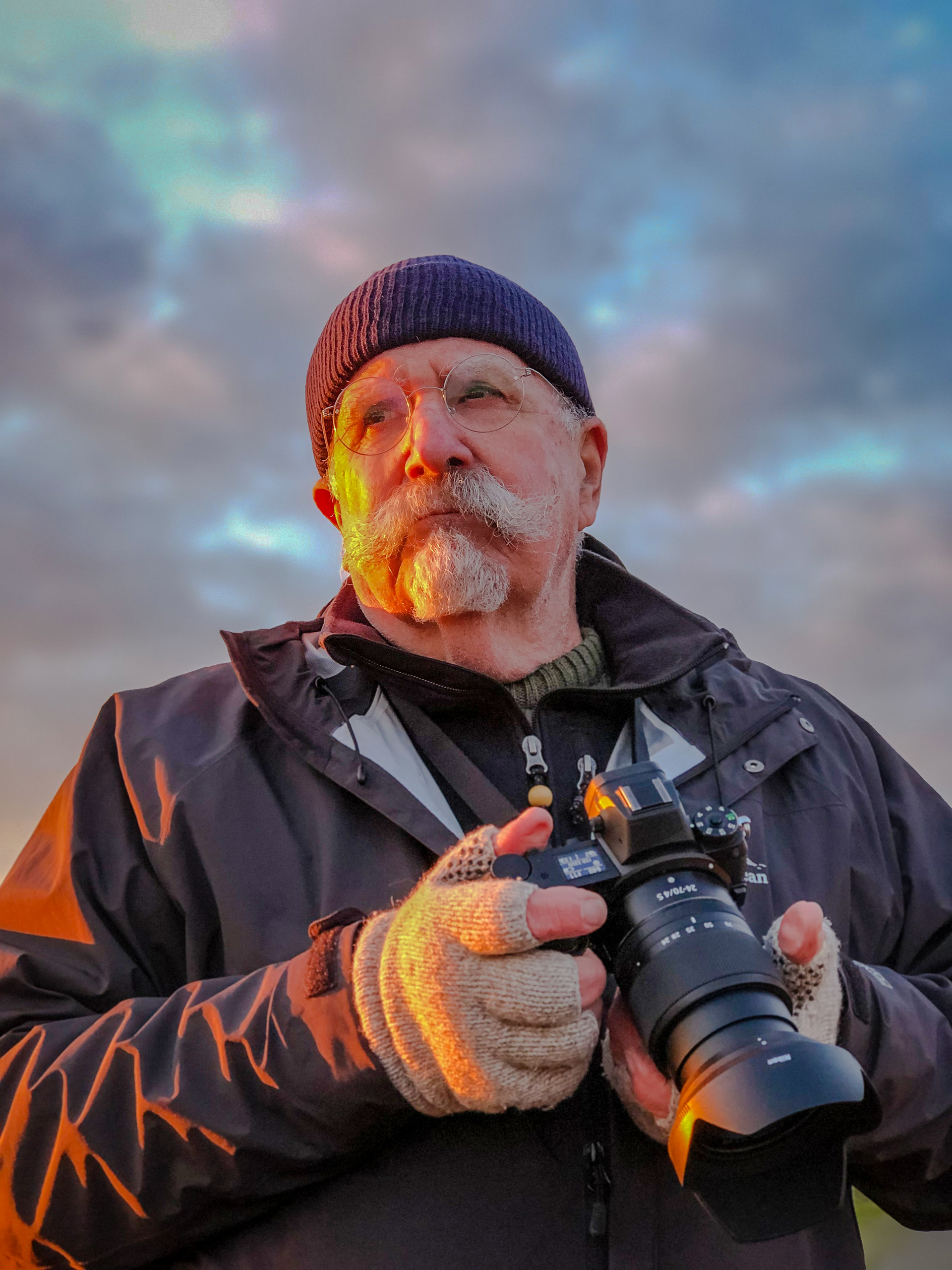
I retired after a 28-year career with the U.S. Department of the Interior – Fish & Wildlife Service.
I was Project Leader on seven National Wildlife Refuges in four states; my last assignment was the Desert National Wildlife Refuge Complex – 2,500 square miles of mountain wilderness in the Mojave and Great Basin Deserts of Nevada.
Serious photography began for me as a student at the University of Minnesota. To fulfill graduation requirements, I took an introductory course in Photography, this led to other fine arts courses and soon I was hooked on the idea of being able to capture images of things I saw that weren’t necessarily the same when I looked again.
The fine arts courses were a humanities requirement for a BS degree in Natural Resources Management. In addition, I have a degree in Animal Husbandry and worked for several years as a cattle buyer for a major meat packing company – but as they say, that's another story.
My land management career allowed me to spend a lot of time on some of the finest, wildest, public lands in the American West. This provided ample opportunity, especially my time on wildland fire teams, to capture images of nature and that intersection between human culture and the natural world.
Since retirement I have significantly expanded my vision. I'm taking opportunities to encompass much more urban street photography and journalism.
Now, in addition to the human/natural world interconnection, I'm often photographing the human/human and human/built environment relationship. This isn't that different from making images of wildlife or wild fire; one needs to be in the moment and ready when a subject or image reveals itself.
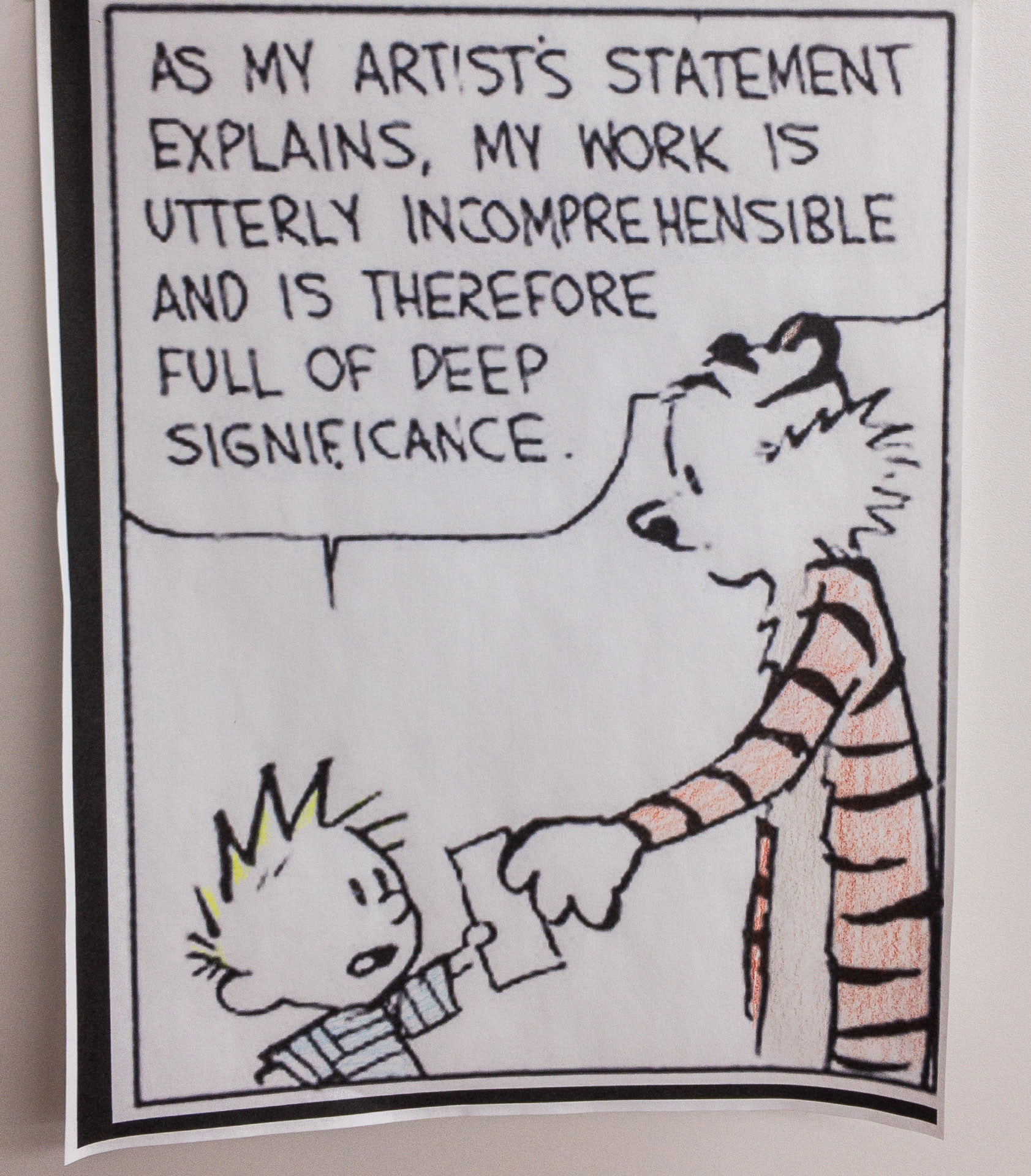
I was told that if I wanted to be taken seriously as a photographer I needed to have an Artist's Statement. So I looked at some examples, after finding most to be pretentious and affected, I chose to adopt as my own, an Artist's Statement first voiced by Calvin, of Calvin & Hobbs fame;